

A huge restaurant is more than just a place to eat. It’s a world of experiences, flavors, and challenges all under one roof. As cities grow and people seek unique dining moments, massive restaurants have become symbols of ambition, creativity, and even cultural pride.
But what really makes a huge restaurant stand out? How do they operate, and why do people flock to them? Let’s explore the world of large-scale dining and uncover the secrets behind these grand establishments.
What Defines A Huge Restaurant?
The term “huge restaurant” might sound simple, but it covers more than just square footage. A restaurant earns this title by offering:
- Advertisement -
- Large seating capacity: Often seating 300 or more guests at once.
- Expansive floor space: Some cover tens of thousands of square feet.
- Multiple kitchens or food stations: To serve hundreds efficiently.
- Diverse menu options: Sometimes dozens or even hundreds of dishes.
- Event spaces or themed areas: Many feature private rooms, gardens, or performance stages.
For example, the famous Royal Dragon Restaurant in Bangkok once held the Guinness World Record for the largest restaurant, with over 5,000 seats and a property spanning 8.35 acres.
Why People Love Huge Restaurants
Dining in a large restaurant is often more than just about food. Here’s why these giants draw crowds:
- Social Gatherings: Big families, work teams, or wedding parties find it easier to book space.
- Spectacle and Atmosphere: Many huge restaurants offer live music, performances, or themed décor.
- Variety: With more space comes bigger menus, buffets, or international cuisines.
- Unique Experiences: Some feature open kitchens, chef’s tables, or interactive stations.
- Convenience: Ample parking and large spaces mean less waiting and more comfort.
But there are also challenges—some diners worry about noise, service speed, or food quality in such vast settings. Smart restaurant owners find ways to balance size and guest satisfaction.

Credit: www.tripadvisor.com
How Huge Restaurants Operate
Operating a massive restaurant requires careful planning, strong leadership, and robust systems. Here’s what happens behind the scenes:
Staffing And Training
These restaurants often employ hundreds, including:
- Chefs and cooks for different cuisines
- Wait staff for each section or room
- Cleaning teams working throughout the day
- Event coordinators for special bookings
Training is key. Staff must move quickly, communicate well, and handle pressure. Some restaurants use headsets or digital tablets to coordinate orders and service.
Kitchen Logistics
Unlike smaller restaurants, huge establishments often have:
- Multiple kitchens or prep stations
- Advanced equipment (like conveyor belts or automated fryers)
- Central storage for bulk ingredients
Food safety and consistency are crucial. To serve hundreds at once, kitchens may pre-cook or partially prepare dishes, finishing them just before serving.
Technology In Service
Modern huge restaurants rely heavily on technology:
- Point-of-sale systems track orders and table status
- Mobile ordering for guests or servers
- Reservation apps to manage large groups
Some even use robots to deliver food or clear tables, especially in countries like China or Japan.
Table: Example Of Roles In A 1,000-seat Restaurant
| Role | Number of Staff | Main Tasks |
|---|---|---|
| Chefs & Cooks | 40-60 | Prep and cook dishes |
| Wait Staff | 70-100 | Serve tables, take orders |
| Cleaning Crew | 20-30 | Maintain cleanliness |
| Managers & Supervisors | 10-15 | Oversee operations |
| Support Staff | 10-20 | Logistics, storage, events |
Famous Huge Restaurants Around The World
Large restaurants can be found worldwide, but a few have gained special fame for their size, service, and innovation.
Bawabet Dimashq (damascus Gate Restaurant), Syria
This restaurant can serve over 6,000 guests at once and covers 54,000 square meters. It has 12 themed dining areas, including Indian, Chinese, and Middle Eastern sections.
Royal Dragon Restaurant, Thailand
Once considered the largest restaurant globally, it could host 5,000 diners. Guests were served by waiters on roller skates, and there were live shows nightly.
West Lake Restaurant, China
Located in Changsha, this restaurant has more than 300 private rooms and can seat 5,000 people. It’s famous for its authentic Hunan cuisine and garden setting.
Buffet Of Buffets, Las Vegas
Some Las Vegas buffets are massive, with over 500 dishes available each day and seating for more than 1,000 guests. These buffets focus on variety and spectacle.
- Advertisement -
These examples show how huge restaurants can be both impressive and diverse, offering everything from local specialties to global cuisine.
Credit: hugebali.com
Comparing Huge Restaurants Vs. Small Restaurants
It’s natural to wonder how these giants compare to smaller, more intimate places. Here’s a quick side-by-side look:
| Feature | Huge Restaurant | Small Restaurant |
|---|---|---|
| Seating Capacity | 300–6,000+ | 20–100 |
| Menu Size | Extensive, often 50+ items | Focused, 10–20 items |
| Event Hosting | Weddings, conferences, galas | Small parties, local events |
| Service Style | Multiple servers per table/section | Personalized, 1–2 servers |
| Atmosphere | Lively, bustling, energetic | Cozy, intimate, quiet |
The Business Side: Pros And Cons
Advantages
- Economies of scale: Buying food and supplies in bulk lowers costs.
- Event hosting: Large spaces attract weddings, corporate gatherings, and tours.
- Brand visibility: A giant restaurant often becomes a local landmark.
Challenges
- High overhead: Rent, utilities, and staffing costs are much higher.
- Complex logistics: Keeping quality and service consistent is tough.
- Risk during downturns: When fewer people eat out, large spaces can feel empty and lose money quickly.
One non-obvious insight: Huge restaurants often have to balance being a tourist attraction with pleasing local customers. If locals feel ignored, business can drop after an initial rush of visitors.
How Design Impacts The Experience
The layout and design of a huge restaurant affect more than just looks—they guide how guests feel and move.
- Open floor plans help with visibility and make the space feel welcoming.
- Zoned areas (like private rooms, lounges, or patios) offer quieter spaces for those who want privacy.
- Clear signage and lighting prevent guests from feeling lost.
Many huge restaurants use themes—like a rainforest, castle, or cruise ship—to create memorable experiences. Lighting, music, and even uniform choices play a part in setting the mood.
Table: Common Design Features In Huge Restaurants
| Design Feature | Purpose | Example |
|---|---|---|
| Central Kitchen | Faster service, efficiency | Open grill stations |
| Event Halls | Host large parties | Ballrooms for weddings |
| Themed Zones | Unique dining experiences | Japanese garden section |
| Outdoor Seating | Extra capacity, fresh air | Terrace dining |
Sustainability And Waste Management
One non-obvious challenge for huge restaurants is managing waste and energy use. Larger operations generate more food waste and use more water, power, and cleaning materials. Successful restaurants invest in:
- Smart inventory systems to reduce food spoilage.
- Composting or recycling programs.
- Energy-efficient appliances to lower bills and their environmental impact.
Some have even started partnerships with local farms to use leftovers as animal feed or compost, turning waste into a resource.
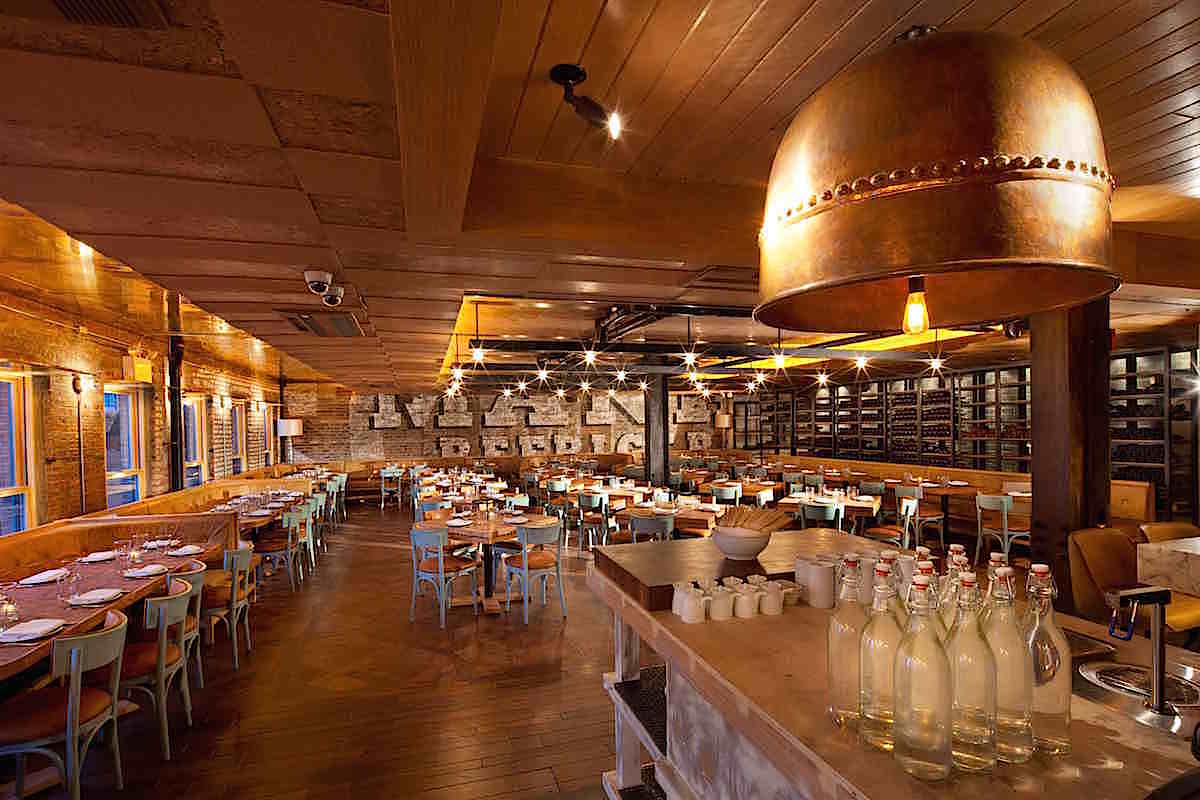
Credit: www.huffpost.com
The Future Of Huge Restaurants
Trends in dining are always changing. In recent years, the COVID-19 pandemic forced many large restaurants to rethink their operations, focusing on:
- Flexible seating: Movable walls and outdoor spaces allow for social distancing.
- Takeout and delivery: Even big restaurants now offer to-go menus.
- Health and safety: Enhanced cleaning and touchless payment are standard.
Technology will likely play a bigger role, from automated kitchens to virtual reality dining experiences. But at the core, the need for community, celebration, and special moments will keep huge restaurants in demand.
Frequently Asked Questions
What Is Considered A Huge Restaurant?
A huge restaurant typically seats at least 300 guests at one time and may cover thousands of square feet. Some of the world’s largest can serve over 5,000 guests and have multiple kitchens, event spaces, and themed areas.
How Do Huge Restaurants Keep Food Quality High?
They use advanced kitchen equipment, standardized recipes, and well-trained staff. Many dishes are partially prepared ahead of time and finished just before serving to maintain taste and freshness. Regular quality checks are essential.
Are Huge Restaurants More Expensive Than Small Ones?
Prices can vary, but huge restaurants often offer competitive prices due to bulk purchasing and high volume. However, special features like live entertainment or unique settings can add to the cost.
How Do They Manage Large Crowds During Peak Times?
Huge restaurants use reservation systems, clear signage, and sometimes even crowd managers. Multiple entry points, waiting areas, and staff communication tools (like headsets) help keep things running smoothly.
Where Can I Find More Information About The World’s Biggest Restaurants?
A reliable source for more information is the Wikipedia list of largest restaurants, which includes details about record-holding establishments worldwide.
A huge restaurant is not just about size—it’s about creating memories, hosting celebrations, and offering something extraordinary. Whether you’re planning a special event, curious about food trends, or just want to experience a meal on a grand scale, these dining giants offer a look into the future of hospitality.
- Advertisement -
