

Amino – Early Breakfast
Breakfast is often called the most important meal of the day. But for many people, especially busy students, professionals, and fitness enthusiasts, making time for a healthy breakfast can be a challenge. In recent years, Amino – Early Breakfast has become a popular topic among those looking for a quick, nutritious start to their day. But what exactly does this term mean, and how can you make the most of it in your own morning routine? This article explores the concept, the science behind amino acids at breakfast, practical meal ideas, and the benefits and mistakes to avoid.
What Is Amino – Early Breakfast?
The idea of Amino – Early Breakfast centers around the importance of consuming amino acids—especially from protein-rich foods—early in the morning. Amino acids are the building blocks of protein. Eating them at breakfast can help your body with muscle repair, energy, and brain function throughout the day.
- Advertisement -
Many people skip breakfast or choose high-sugar foods like pastries or cereal. These options give quick energy but do not provide the essential amino acids your body needs after a long night’s fast. An “amino-rich” breakfast means eating foods like eggs, dairy, lean meats, legumes, or plant-based protein that supply these important nutrients right when your body needs them most.
Why Focus On Amino Acids In The Morning?
Boosts Muscle Recovery And Growth
After sleeping, your body has gone hours without protein. If you exercise in the morning, your muscles need amino acids to recover and grow. Eating a protein-rich breakfast helps start this process right away.
Supports Brain Function
Amino acids, such as tyrosine and tryptophan, play a key role in creating neurotransmitters. These chemicals affect mood, focus, and alertness. Starting your day with enough protein can help you feel more awake and ready to think clearly.
Helps Control Appetite
Protein helps you feel full longer than carbs or fats. A breakfast rich in amino acids can help reduce cravings and overeating later in the day. Studies show people who eat a high-protein breakfast consume fewer calories at lunch.
Key Amino Acids To Include
Not all amino acids are equal. There are nine essential amino acids—your body cannot make these, so you must get them from food. The most important for breakfast include:
- Leucine: Stimulates muscle protein synthesis.
- Isoleucine: Helps with energy and muscle recovery.
- Valine: Supports muscle metabolism and repair.
- Lysine: Important for immune function and hormone production.
- Tryptophan: Needed to create serotonin, which affects mood.
Foods with all nine essential amino acids are called complete proteins.
Best Foods For An Amino-rich Early Breakfast
Here are some of the best foods to include in your morning meal if you want to maximize your amino acid intake:
| Food | Protein (g per serving) | Key Amino Acids | Complete Protein? |
|---|---|---|---|
| Eggs (2 large) | 12 | All essential | Yes |
| Greek Yogurt (1 cup) | 17 | All essential | Yes |
| Chicken Breast (3 oz) | 26 | All essential | Yes |
| Tofu (½ cup) | 10 | All essential | Yes |
| Oats (1 cup cooked) | 6 | Most essential | No |
| Lentils (½ cup cooked) | 9 | Most essential | No |
Animal-based proteins like eggs, yogurt, and chicken are complete proteins. Plant-based foods can also be good sources, but you may need to combine them (like oats with nuts, or beans with whole grains) to get all essential amino acids.
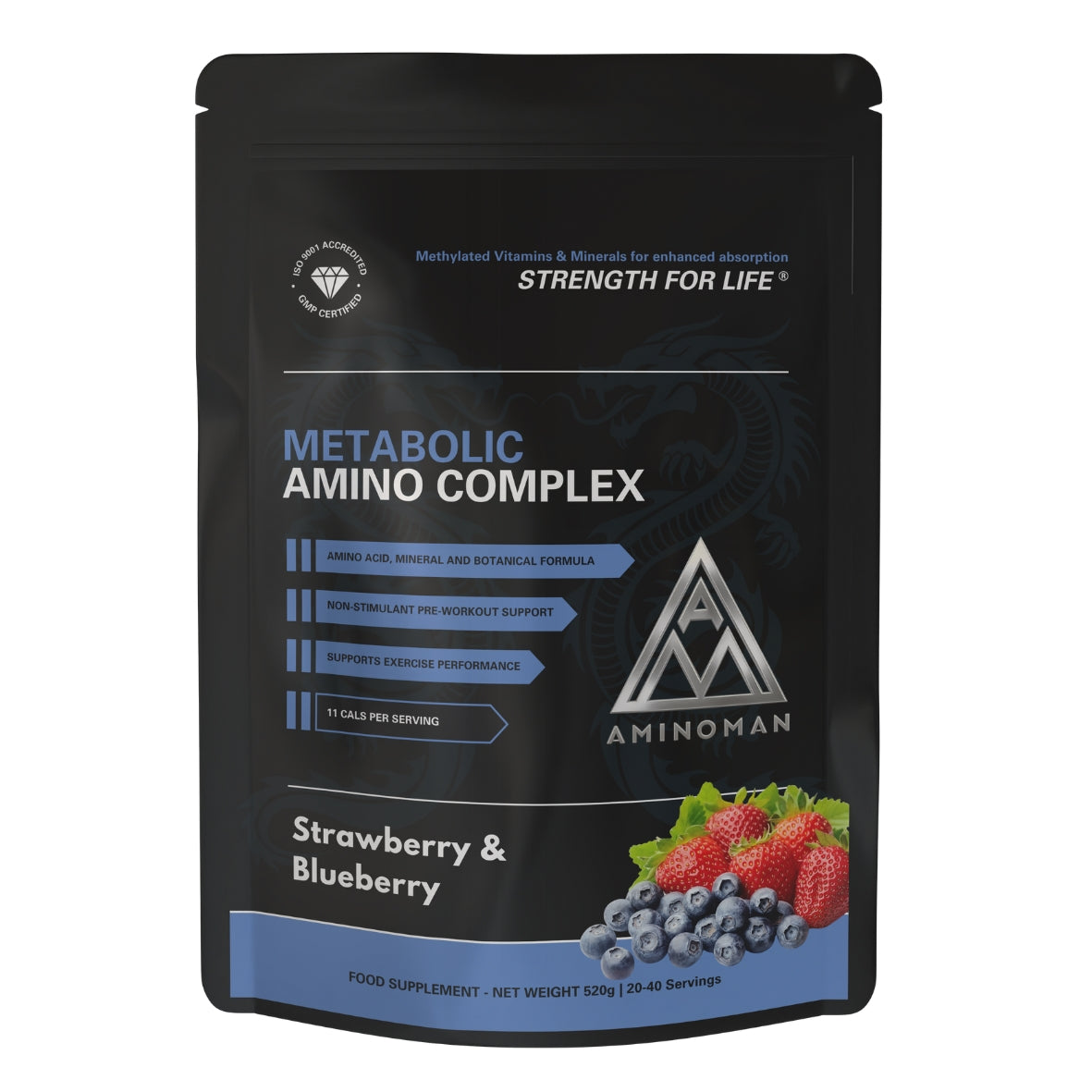
Credit: aminoman.com
Sample Amino – Early Breakfast Ideas
Amino-rich breakfasts do not need to be complicated. Here are a few practical ideas to get you started:
- Egg and Avocado Toast: Whole grain toast topped with poached eggs and sliced avocado.
- Greek Yogurt Parfait: Layer Greek yogurt with berries, chia seeds, and a sprinkle of nuts.
- Tofu Scramble: Sauté tofu with spinach, tomatoes, and spices for a plant-based option.
- Oats with Nuts and Seeds: Cooked oats mixed with almond butter, pumpkin seeds, and sliced banana.
- Chicken and Veggie Wrap: Sliced grilled chicken breast with spinach and hummus in a whole wheat wrap.
These options provide a mix of protein, healthy fats, and fiber to keep you full and energized.
Timing: When Should You Eat An Amino-rich Breakfast?
Many experts recommend eating breakfast within one hour after waking. This timing helps stop muscle breakdown and jump-starts your metabolism. If you exercise early, try to eat at least a small snack with protein before your workout, and a bigger breakfast after.
Some people practice intermittent fasting and delay breakfast. If you do this, make sure your first meal includes enough protein to cover your daily needs. Missing out on amino acids in the morning can lead to muscle loss and low energy over time.
How Much Protein Do You Need At Breakfast?
The right amount of protein depends on your age, weight, and activity level. Most experts suggest aiming for at least 20–30 grams of protein at breakfast for adults. This amount supports muscle health and appetite control.
Here is a quick comparison of typical breakfast foods and their protein content:
| Breakfast Item | Protein (g per serving) |
|---|---|
| 2 eggs + 1 slice whole grain toast | 14 |
| 1 cup Greek yogurt + ¼ cup granola | 19 |
| ½ cup cottage cheese + berries | 14 |
| 1 protein smoothie (whey powder + milk + fruit) | 25 |
| 1 cup cooked lentils + veggies | 18 |
- Advertisement -
If you have higher protein needs (such as athletes or older adults), you may need to aim higher—closer to 35 grams.
Common Mistakes To Avoid
Many people trying to improve their breakfast habits make some common errors:
1. Relying On Sugary Cereals Or Pastries
These foods are quick but low in protein and amino acids. They cause blood sugar spikes, leading to a crash later.
2. Skipping Breakfast Altogether
Missing this meal means your body misses out on a critical chance to get amino acids after a night of fasting.
3. Eating Only Carbohydrates
A breakfast of just fruit or bread will not provide enough amino acids. Always include a protein source.
4. Not Enough Variety
Repeating the same food every day can lead to missing certain amino acids, especially for plant-based eaters. Mix up your choices to cover all your needs.

Credit: www.bjs.com
The Science Behind Amino Acids And Breakfast
Scientific studies have shown the benefits of starting your day with amino-rich foods:
- A study in the American Journal of Clinical Nutrition found that people who ate at least 30 grams of protein at breakfast had improved muscle health and metabolism.
- Research shows that high-protein breakfasts can reduce late-night snacking by up to 60%.
- Athletes who consume protein early in the day recover faster and maintain more muscle compared to those who eat protein only at lunch or dinner.
One non-obvious insight is that the timing of protein matters just as much as the total amount. If you eat most of your protein at dinner, your body cannot use it as efficiently for muscle growth and repair as when you spread it through the day.
Another important point: For plant-based eaters, combining different protein sources (like beans and rice) at breakfast ensures you get all essential amino acids. Many beginners miss this detail and end up with incomplete protein intake.
Simple Ways To Add More Amino Acids To Your Breakfast
You do not need to overhaul your whole morning routine. Try these easy swaps:
- Add a boiled egg or Greek yogurt to your usual breakfast.
- Sprinkle chia or hemp seeds on oatmeal or cereal.
- Use cottage cheese or tofu as a spread on toast.
- Make smoothies with protein powder (whey, soy, or pea protein).
These small changes can quickly improve your amino acid intake without extra cooking time.
Credit: www.walmart.com
Who Can Benefit Most From Amino – Early Breakfast?
While everyone can benefit from a protein-rich start, certain groups see even bigger improvements:
- Athletes and gym-goers: For muscle recovery and growth.
- Older adults: To prevent muscle loss (sarcopenia).
- Students and professionals: For better focus and energy.
- People trying to lose weight: For better appetite control.
- Vegans and vegetarians: To make sure they get all essential amino acids.
How To Plan Your Amino – Early Breakfast For A Busy Schedule
Mornings can be rushed, but with a little planning, you can fit in a healthy, amino-rich meal:
- Prep ahead: Boil eggs, make overnight oats, or portion out yogurt and fruit the night before.
- Keep protein snacks handy: Stock up on string cheese, nut butter packs, or protein bars for grab-and-go options.
- Batch cook: Make breakfast burritos or egg muffins on the weekend and freeze them.
- Use simple recipes: Smoothies take less than five minutes and can be packed with protein.
For more strategies, check out Harvard T.H. Chan School of Public Health.
Frequently Asked Questions
What Is The Main Benefit Of Eating An Amino-rich Breakfast?
The main benefit is muscle repair and energy. Getting enough amino acids early helps your body recover from overnight fasting, supports your muscles, and keeps you full and focused.
Can Vegetarians And Vegans Get Enough Amino Acids At Breakfast?
Yes. Plant-based eaters can combine foods like beans, lentils, whole grains, nuts, and seeds to get all essential amino acids. Using tofu, tempeh, or plant protein powders can also help.
Is It Okay To Eat Protein Shakes For Breakfast?
Absolutely. Protein shakes with whey, soy, or pea protein are a quick and convenient way to get amino acids, especially if you are in a hurry. Just add some fruit or veggies for extra nutrition.
How Soon After Waking Should I Eat An Amino-rich Breakfast?
For most people, eating within one hour of waking is ideal. This timing helps stop muscle breakdown and jump-starts metabolism. If you exercise early, eat a small protein snack before and a bigger meal after.
What If I Don’t Feel Hungry In The Morning?
If you are not hungry, start with something small, like Greek yogurt or a boiled egg. Over time, your body will adjust, and you may find it easier to eat a full breakfast.
Starting your day with an amino-rich early breakfast is one of the simplest ways to boost energy, support your muscles, and control your appetite. With a bit of planning and smart food choices, anyone can make this healthy habit fit their lifestyle.
- Advertisement -
