

Warung Samaja is more than just a place to eat—it’s a window into Bali’s unique food culture and a showcase of local hospitality. For many travelers, finding an authentic food spot can be a challenge. But Warung Samaja stands out for its focus on home-style dishes, friendly service, and a warm, inviting atmosphere.
Whether you are a visitor looking for a taste of real Balinese food or a local who wants comfort on a plate, Warung Samaja promises an experience that stays with you long after your meal.
In this article, you will learn what makes Warung Samaja special, what you can expect on the menu, the story behind the warung, and tips to make your visit unforgettable. If you want to experience genuine Balinese dining, this guide will help you understand why Warung Samaja is a favorite for so many.
The Meaning Of Warung Samaja
- Advertisement -
The word warung is common in Indonesia, especially in Bali. A warung is a small, family-owned business—often a simple eatery serving homemade food at reasonable prices. Samaja in Balinese means “togetherness” or “community.” When put together, Warung Samaja stands for “a place where people eat together” and share the warmth of home-cooked meals.
This concept is at the heart of Warung Samaja. Unlike commercial restaurants, the focus is on creating a cozy, welcoming environment. Guests are encouraged to relax, chat, and take their time. The setting is informal, but the hospitality is sincere.
The Story Behind Warung Samaja
Warung Samaja started as a small family venture in Denpasar, Bali, in the early 2000s. The founders wanted to preserve Balinese cooking traditions and offer authentic dishes to both locals and tourists. Over the years, Warung Samaja grew from a simple roadside stall to a well-known eatery, thanks to word of mouth and positive reviews.
One important part of Warung Samaja’s success is its commitment to tradition. The founders use recipes passed down through generations, relying on fresh local ingredients. Many of the staff are family members or neighbors, which adds to the sense of community. Customers often return not just for the food, but for the friendly faces and familiar atmosphere.
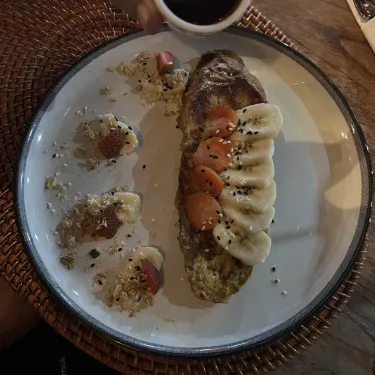
Credit: www.trip.com
What Makes Warung Samaja Unique
Several things set Warung Samaja apart from other warungs and restaurants in Bali:
- Authentic Balinese Dishes: The menu highlights classic Balinese flavors. From spicy sambals to rich curries, each dish reflects local tastes.
- Affordable Prices: Dishes are priced for locals, not tourists. A full meal rarely costs more than a few dollars.
- Sustainable Sourcing: Ingredients come from nearby markets and farms. This supports the local economy and ensures freshness.
- Cultural Experience: The décor, music, and even the way food is served all reflect Balinese traditions.
- Friendly Service: Staff treat guests like family, often explaining dishes or offering recommendations.
Warung Samaja Menu Highlights
The menu at Warung Samaja changes with the seasons and availability of ingredients, but some favorites remain year-round. Here are some of the most popular dishes:
Nasi Campur Bali
Nasi campur means “mixed rice,” and it is a must-try. The plate comes with steamed rice, shredded chicken or pork, vegetables, peanuts, eggs, and spicy sambal. Each component is cooked separately with unique spices, then arranged together.
Ayam Betutu
Ayam betutu is a famous Balinese dish of chicken slow-cooked with a blend of spices, wrapped in banana leaves. The result is tender, flavorful meat with a smoky aroma.
Sate Lilit
Sate lilit uses minced fish mixed with coconut, lime leaves, and spices, then wrapped around bamboo sticks and grilled. It’s aromatic, slightly sweet, and best eaten with a squeeze of lime.
Lawar
Lawar is a traditional salad made from chopped vegetables, coconut, minced meat, and rich herbs. It is often spicy and always fresh.
Vegetarian Options
Warung Samaja also offers vegetarian versions of many dishes, using tofu, tempeh, and fresh vegetables. These are not afterthoughts; they are carefully prepared to match the flavors of the non-vegetarian options.
Desserts And Drinks
Popular desserts include dadar gulung (green coconut pancakes) and bubur injin (black rice pudding). For drinks, you can enjoy fresh fruit juices, Balinese coffee, or traditional herbal teas.
Here is a sample price comparison for popular menu items:
| Dish | Warung Samaja Price (IDR) | Tourist Restaurant Price (IDR) |
|---|---|---|
| Nasi Campur Bali | 25,000 | 60,000 |
| Ayam Betutu | 35,000 | 80,000 |
| Sate Lilit | 20,000 | 50,000 |
| Dadar Gulung | 10,000 | 30,000 |
This table shows why Warung Samaja is popular not just for taste, but also for value.
Credit: www.tripadvisor.com
The Warung Samaja Experience
Eating at Warung Samaja is different from dining in a tourist-oriented restaurant. Here’s what you can expect:
- Simple but clean setting: Tables and chairs are basic, but always tidy. Decorations include Balinese fabrics, bamboo, and family photos.
- Open kitchen: You can often see food being prepared, which adds trust and transparency.
- Community vibe: Locals and tourists mix freely. Conversations flow, and it’s common to share a table with strangers.
- No rush: Meals are served at a relaxed pace. Guests are encouraged to enjoy their food and the company.
Example: A Typical Visit
When you enter Warung Samaja, you might be greeted by the owner or a family member. After finding a seat, you’ll be handed a simple menu, sometimes handwritten. If you have questions about the dishes, the staff are happy to explain, often sharing stories about the ingredients or preparation methods.
Food arrives freshly made, with bright colors and aromatic spices. The portions are generous but not overwhelming. You might finish with a sweet dessert and a strong cup of Balinese coffee, feeling satisfied and welcomed.
- Advertisement -
How Warung Samaja Supports The Community
One thing many visitors don’t realize is how much Warung Samaja does for its local area. The warung buys produce, meat, and spices directly from local farmers and markets. This keeps money in the community and helps small producers thrive.
Warung Samaja also hires from the neighborhood, offering jobs to young people and mothers who want flexible hours. During holidays or festivals, the warung sometimes provides free meals for those in need or supports local ceremonies.

Credit: www.menjamu.com
Tips For Visiting Warung Samaja
To get the most from your Warung Samaja experience, keep these tips in mind:
- Arrive Early: Popular dishes can sell out, especially at lunch and dinner.
- Ask for Recommendations: Staff know which dishes are best that day.
- Try the Specials: Seasonal or festival foods are often available and worth trying.
- Respect Local Customs: Dress modestly and be polite. If you’re unsure about something, ask.
- Bring Cash: Many warungs, including Samaja, may not accept credit cards.
Comparing Warung Samaja To Other Balinese Eateries
Bali has many choices for food, but each type of eatery offers something different. Here’s a simple comparison:
| Feature | Warung Samaja | Tourist Restaurant | Street Food Stall |
|---|---|---|---|
| Atmosphere | Cozy, local | Modern, international | Casual, quick |
| Food Quality | Homemade, authentic | Varied, sometimes adjusted for tourists | Basic, limited choice |
| Price | Affordable | Expensive | Very cheap |
| Service | Friendly, family-run | Professional staff | Self-service |
| Menu Variety | Balanced, with local specials | Large, international options | Few items |
This comparison shows why many people prefer Warung Samaja: it offers a balance of quality, price, and atmosphere that’s hard to find elsewhere.
Warung Samaja And Balinese Festivals
Warung Samaja plays a special role during Balinese festivals like Galungan, Kuningan, and Nyepi. During these times, the warung may serve limited edition dishes, such as:
- Babi Guling (roast pig) for special celebrations
- Jaja Bali (traditional cakes) during ceremonies
The warung also decorates with bright flags, flowers, and offerings, making the space even more inviting. For many, eating at Warung Samaja during a festival is a chance to be part of the community and experience local traditions up close.
What Visitors Say About Warung Samaja
Reviews of Warung Samaja are often positive, with guests praising the flavorful food, friendly service, and relaxed atmosphere. Some visitors mention that the warung feels like “eating at a local friend’s house” rather than a business.
One visitor wrote, “I tried the ayam betutu at Warung Samaja, and it was the best meal I had in Bali. The staff explained the spices and even showed me how they cook the dish. I felt truly welcomed. “
A few travelers point out that the warung can be busy at peak hours, and some dishes sell out fast. However, most agree that the wait is worth it for the taste and experience.
Two Insights Most Beginners Miss
- Spice Level: Balinese food can be very spicy, especially the sambal. Warung Samaja often adjusts the heat for tourists, but if you want the real experience, ask for the “local style.” Many visitors are surprised by how different the flavor is when the spice is not toned down.
- Shared Plates: Meals at Warung Samaja are often meant to be shared. Ordering a few dishes for the table and sampling each one is common. This way, you get to taste more of the menu and enjoy the spirit of togetherness.
Sustainability And Environmental Practices
Warung Samaja takes steps to reduce waste and protect the environment. Food is served on banana leaves when possible, reducing plastic use. Leftover food is not thrown away but given to local farmers for animal feed. The warung also encourages guests to bring reusable containers for takeout.
These small efforts help keep the warung in harmony with Balinese values of respect for nature and community care.
How To Find Warung Samaja
Warung Samaja is located in Denpasar, not far from popular tourist areas but away from the busiest streets. It is marked with a simple sign and decorated entrance. Most taxi drivers or locals will know it by name.
For the latest updates, opening times, or special events, you can check local travel guides or visit the official Bali tourism website. For more details about warungs and Balinese cuisine, visit Wikipedia.
Frequently Asked Questions
What Are The Opening Hours Of Warung Samaja?
Warung Samaja usually opens at 8:00 AM and closes at 9:00 PM. However, hours may change during festivals or special occasions, so it’s best to check ahead, especially if you want to visit in the evening.
Is Warung Samaja Suitable For Vegetarians?
Yes, Warung Samaja offers several vegetarian dishes, such as lawar made with jackfruit or beans, gado-gado (vegetable salad with peanut sauce), and tempeh curries. Staff are happy to suggest options if you ask.
Do I Need To Make A Reservation?
Reservations are not usually required. However, if you are coming with a large group or during festival times, calling ahead is a good idea to ensure you get a table.
Can I Get Takeaway From Warung Samaja?
Yes, takeaway is available. You can bring your own container or use the warung’s eco-friendly packaging. Takeaway is especially popular for lunch and during busy times.
Is Warung Samaja Family-friendly?
Absolutely. The relaxed atmosphere, simple seating, and friendly staff make it a great choice for families with children. Kids often enjoy the sweet desserts and fruit juices available.
Dining at Warung Samaja is more than just a meal—it’s a chance to connect with Balinese culture, enjoy authentic flavors, and support local traditions. Whether you are a first-time visitor or a returning guest, you will find something special waiting for you.
- Advertisement -
