

Bali is famous for its beaches, rice terraces, and unique culture. Yet, there are places on the island that remain hidden from most tourists. One such place is Tanau Bali. This area offers a different side of Bali, away from the crowds and noise. Here, you can experience real Balinese life, natural beauty, and sustainable tourism. Whether you are a traveler looking for peace or someone curious about local traditions, Tanau Bali has something for you. Let’s explore what makes this region special, how to visit, and why it is becoming a top choice for conscious travelers.
Where Is Tanau Bali?
Tanau Bali is not a famous city or beach. It refers to a rural area in east Bali, close to the lush hills and traditional villages. The region is located near Karangasem Regency, about two hours from Denpasar, Bali’s capital. You will not find big hotels or busy streets here. Instead, you will see rice fields, coconut trees, and small family homes.
Most travelers visit Tanau Bali for its peaceful atmosphere. The region is surrounded by natural landscapes, including hills, rivers, and forests. It is also close to places like Tirta Gangga Water Palace, Mount Agung, and several ancient temples. Unlike Ubud or Kuta, Tanau Bali focuses on small-scale tourism and local experiences.
- Advertisement -
What Makes Tanau Bali Unique?
Tanau Bali is unique because it combines nature, culture, and sustainability. The area is not developed for mass tourism. Instead, it welcomes visitors who want to learn and connect.
- Authentic Balinese Culture: In Tanau Bali, you can watch daily rituals, join local festivals, and visit temples that are centuries old. The people here keep their traditions alive. You may see farmers working in the fields or women making offerings for the gods.
- Eco-Friendly Tourism: Many homestays and eco-lodges use solar power, recycle water, and support local farms. The region encourages visitors to respect nature and minimize waste.
- Community-Based Activities: You can take part in workshops, such as weaving, cooking, or planting rice. These activities are run by local families, not big companies.
- Stunning Landscapes: The hills around Tanau Bali offer great hiking trails and views. The air is fresh, and you can walk for hours without seeing many tourists.
- Local Food: Most restaurants use ingredients from nearby farms. You can try dishes like Lawar, Bebek Betutu, and fresh tropical fruits.

Credit: www.tripadvisor.com
Getting To Tanau Bali
Traveling to Tanau Bali is easy, but it takes some planning. The area is not on the main tourist map, so you will not find direct buses or large tour groups.
- By Car: Renting a car or hiring a driver is the best option. The roads are good, but narrow in some parts.
- By Scooter: If you are comfortable riding a scooter, you can explore Tanau Bali and nearby villages at your own pace.
- By Local Transport: Some bemos (minibuses) run between villages, but schedules are not fixed.
Most travelers start from Denpasar or Ubud. It takes about two hours by car. You can use GPS or ask locals for directions. The journey is beautiful, with views of rice fields and mountains.
Best Time To Visit
Tanau Bali has a tropical climate. The best months to visit are April to September. During this time, the weather is dry, and the skies are clear. The rice fields look green, and there are many festivals.
From October to March, the region gets more rain. Some trails may be muddy, but the landscape is still beautiful. If you want to avoid crowds and see local life, visiting during the rainy season can be rewarding.
Accommodation Options In Tanau Bali
Unlike other parts of Bali, Tanau Bali does not have big hotels. Most places to stay are small, family-run homestays, eco-lodges, and guesthouses. These options offer comfort, but they focus on local style and sustainability.
Here is a comparison of typical accommodation options:
| Type | Average Price (USD) | Main Features | Who Should Stay? |
|---|---|---|---|
| Homestay | $15–$35 | Local meals, friendly hosts, cultural activities | Solo travelers, couples, culture seekers |
| Eco-lodge | $40–$90 | Sustainable design, organic food, nature views | Families, nature lovers, eco-conscious guests |
| Guesthouse | $25–$50 | Simple rooms, garden, close to hiking trails | Backpackers, hikers, budget travelers |
Most places offer free breakfast and Wi-Fi. Some also organize tours and workshops. It is best to book in advance, especially during the high season.
Top Things To Do In Tanau Bali
Tanau Bali is perfect for travelers who want to explore, learn, and relax. Here are some of the best activities:
1. Hiking And Nature Walks
The hills around Tanau Bali are full of trails. You can hike to waterfalls, rice terraces, and small villages. The air is cool, and the views are stunning. Guided hikes are available, or you can explore on your own.
2. Visit Local Temples
Tanau Bali has several ancient temples. These are not tourist attractions, but real places of worship. You can watch ceremonies, listen to gamelan music, and learn about Balinese Hinduism.
3. Join Cultural Workshops
Many families offer workshops in weaving, cooking, and dance. You can learn how to make Canang sari (flower offerings) or cook traditional dishes. These workshops support local incomes and teach you about daily life.
4. Farm And Garden Tours
Several eco-lodges and homestays have gardens and rice fields. You can join tours, help plant rice, or learn about organic farming. Children enjoy these activities, and adults find them relaxing.
5. Try Local Food
Tanau Bali’s restaurants serve fresh, local meals. You can taste dishes like Nasi Campur, grilled fish, and coconut desserts. Most places use ingredients from their own gardens.
6. Explore Waterfalls
A few hidden waterfalls are close to Tanau Bali. You can swim, picnic, or just enjoy the sound of nature. These spots are not crowded, so you have space and privacy.
7. Attend Village Festivals
If you visit during festival season, you may see processions, dances, and music. The most famous events are Galungan and Kuningan. Locals welcome visitors, but it is important to dress modestly and be respectful.
Sustainable Tourism In Tanau Bali
Tanau Bali is known for its eco-friendly tourism. The community works together to protect nature and culture. Here are some ways they do this:
- Small-Scale Lodging: Most places use local materials, solar power, and rainwater collection.
- Waste Management: Visitors are asked to reduce waste. Some lodges compost food scraps and recycle plastics.
- Local Employment: Guides, cooks, and workshop leaders are all local people. This keeps money in the community.
- Education: Many activities teach visitors about nature, farming, and traditions.
- Wildlife Protection: The region protects birds, insects, and plants. Some areas are set aside as nature reserves.
This approach makes Tanau Bali a model for other regions. It proves that tourism can be good for both people and the planet.
Comparing Tanau Bali With Other Parts Of Bali
Many travelers wonder how Tanau Bali compares with places like Ubud, Kuta, or Seminyak. Here is a simple comparison:
| Region | Main Attractions | Tourist Volume | Focus |
|---|---|---|---|
| Tanau Bali | Nature, culture, eco-tourism | Low | Local life, sustainability |
| Ubud | Art, yoga, rice fields | Medium-High | Wellness, creativity |
| Kuta | Beaches, nightlife | High | Surfing, entertainment |
| Seminyak | Luxury, shopping | High | Fashion, fine dining |
Tanau Bali is best for travelers who want peace, nature, and local culture. It does not offer luxury shops or busy nightlife, but it gives you space to relax and learn.
Hidden Insights About Tanau Bali
Many first-time visitors miss some important details:
- Language Barriers: Most people in Tanau Bali speak Balinese and some Indonesian. English is not common. Learning a few local words can help. For example, “Om Swastiastu” means hello.
- Cash Is King: ATMs are rare. Bring cash for meals, transport, and workshops.
- Respect Local Customs: Dress modestly, avoid loud behavior, and ask before taking photos. Locals appreciate visitors who follow their traditions.
- Transport Challenges: Roads can be narrow and hilly. Drive slowly and watch for animals.
- Seasonal Changes: Rice fields change color with the seasons. Ask locals when planting or harvest happens for the best photos.
How Tanau Bali Supports Local Communities
Tanau Bali is more than a tourist spot; it is a community. Here are ways tourism helps local people:
- Employment: Homestays, guides, and workshops create jobs.
- Education: Tourism income helps pay for school supplies.
- Healthcare: Some lodges donate a share of profits to local clinics.
- Women’s Empowerment: Many workshops are run by women. This supports gender equality.
- Cultural Preservation: Festivals, dances, and crafts are kept alive through tourism.
- Advertisement -
Visitors are encouraged to give back. You can donate to local charities, buy crafts, or join volunteer projects.
Planning Your Trip: Practical Tips
Here are practical tips for a smooth visit:
- Book Early: Accommodation fills up fast during festivals.
- Pack Light: Bring clothes for warm and cool weather. Hiking shoes are useful.
- Stay Connected: Wi-Fi is available but can be slow. Buy a local SIM card if needed.
- Health Precautions: Drink bottled water, and use mosquito repellent.
- Emergency Numbers: Save local contacts in your phone. Police and clinics are available in nearby towns.
Sample Itinerary: 3 Days In Tanau Bali
If you want to make the most of your visit, here’s a sample plan:
Day 1: Arrival and Culture
- Check into your homestay.
- Explore the village and meet your hosts.
- Join a cooking workshop in the evening.
Day 2: Nature and Adventure
- Morning hike to rice terraces and waterfalls.
- Lunch at a local restaurant.
- Attend a weaving or dance workshop.
Day 3: Relaxation and Local Life
- Visit a temple and watch a ceremony.
- Help plant rice or tour a farm.
- Enjoy a traditional meal and music.
This itinerary gives you a balance of culture, nature, and relaxation.
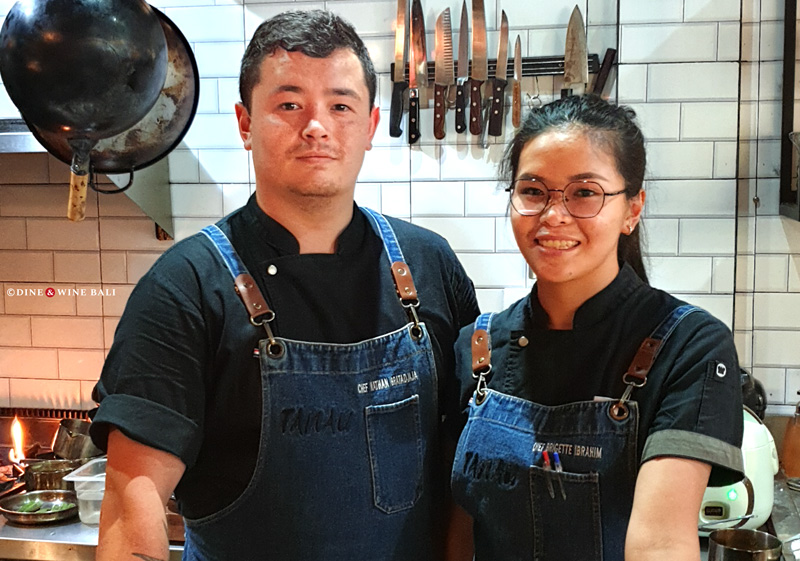
Credit: dineandwinebali.com
Safety And Health In Tanau Bali
Tanau Bali is safe for most travelers. Crime rates are low, and locals are friendly. Still, it is wise to take basic precautions:
- Watch Your Belongings: Keep valuables safe.
- Travel Insurance: Buy insurance for health and accidents.
- Health Clinics: Small clinics are available, but for serious issues, visit a hospital in Karangasem.
If you have allergies or special needs, tell your hosts in advance.
How To Respect The Environment
Tanau Bali’s beauty depends on everyone’s care. Here’s how you can help:
- Use Less Plastic: Carry a reusable bottle and bag.
- Leave No Trace: Take your trash with you.
- Support Eco-Friendly Businesses: Choose lodges and restaurants that use local and organic products.
- Join Clean-Up Events: Some villages organize clean-ups. Ask your hosts for details.
These actions protect nature and support the community.
Local Food: What To Try
Tanau Bali’s food is rich and flavorful. Most dishes use fresh, local ingredients. Here are some must-try foods:
- Lawar: A mix of vegetables, coconut, and minced meat, flavored with spices.
- Bebek Betutu: Slow-cooked duck with herbs, wrapped in banana leaves.
- Nasi Campur: Rice with small portions of meat, vegetables, and sambal.
- Sate Lilit: Minced fish grilled on lemongrass sticks.
- Tropical Fruits: Mango, papaya, rambutan, and salak are fresh and tasty.
Restaurants in Tanau Bali are simple, but the meals are homemade and authentic.
Festivals And Events
The main festivals in Tanau Bali are:
- Galungan: Celebrates the victory of good over evil. Houses are decorated with penjor (bamboo poles).
- Kuningan: Marks the end of Galungan. Families visit temples and make offerings.
- Nyepi: The Balinese New Year. The whole island is quiet for a day.
- Odalan: Temple anniversary. Includes dances, music, and offerings.
If you visit during these times, you can join in and learn about Balinese beliefs.
Credit: dineandwinebali.com
Supporting Local Crafts
Tanau Bali is known for handmade crafts. You can buy baskets, textiles, and wood carvings. These crafts use traditional methods and support local families.
If you want to see how crafts are made, join a workshop. You can learn weaving, batik, or carving. Buying directly from the maker helps preserve these skills.
Impact Of Tourism On Tanau Bali
Tourism brings both benefits and challenges. Here are some facts:
- Income: Tourism supports over 60% of local households.
- Culture: Festivals and crafts are kept alive.
- Nature: Eco-tourism helps protect forests and water.
- Risks: Too many visitors can harm the landscape. That’s why Tanau Bali limits guest numbers and promotes sustainability.
The community works with local government to keep tourism balanced.
Frequently Asked Questions
What Is Tanau Bali Known For?
Tanau Bali is known for its nature, culture, and eco-friendly tourism. The region offers hiking, workshops, and authentic local experiences.
How Do I Get To Tanau Bali From Denpasar?
You can rent a car or hire a driver. The journey takes about two hours. Scooters and local minivans are also options, but they are slower.
Is Tanau Bali Suitable For Families?
Yes, Tanau Bali is family-friendly. There are nature walks, farm tours, and workshops. Children enjoy learning about local life and animals.
What Should I Pack For Tanau Bali?
Bring light clothes, hiking shoes, mosquito repellent, and cash. Wi-Fi is available but not always reliable. A reusable water bottle is useful.
How Can I Support The Community During My Visit?
You can stay in homestays, join workshops, buy local crafts, and donate to village projects. Respect local customs and help keep the area clean.
If you want to learn more about Bali’s rural areas, visit Wikipedia.
Tanau Bali offers a rare chance to see real Balinese life, enjoy nature, and support local people. Whether you stay for a few days or longer, you will leave with memories, new skills, and a fresh understanding of Bali. The region’s mix of culture, sustainability, and beauty makes it one of Bali’s hidden gems.
If you are searching for something different, Tanau Bali is waiting for you.
- Advertisement -
