

Bali is famous for its beautiful beaches, temples, and vibrant culture. But beyond the usual tourist spots, there are hidden gems that tell stories of tradition, spirituality, and community. One such place is Koli Koli Bali. If you are curious about what makes Koli Koli Bali special, how it fits into Balinese life, and why it’s drawing more attention lately, you are in the right place. Here, you’ll discover what Koli Koli Bali is, how it works, its history, its impact, and practical tips for visiting or learning more.
What Is Koli Koli Bali?
Koli Koli Bali is not a mainstream tourist attraction. It is a traditional Balinese community space—a mix between a cultural hub, a social gathering spot, and sometimes a ceremonial venue. The term “Koli Koli” itself is rooted in local dialects, referring to communal efforts, shared resources, and collective activities. In Bali, community is everything, and Koli Koli spaces are at the heart of village life.
These places can look different from one village to another. Some are open-air pavilions, some are gardens, and some are simple halls. What they share is their role: they bring people together, support local traditions, and keep the spirit of cooperation alive.
- Advertisement -
The History And Origins Of Koli Koli Bali
Tracing the history of Koli Koli Bali leads us deep into Balinese culture. The idea of communal spaces goes back centuries. Balinese society has always valued gotong royong—the spirit of mutual help. People work together during harvests, festivals, and emergencies. Koli Koli Bali grew out of this need for a place where everyone could gather, plan, and celebrate.
Early forms of Koli Koli were simple shelters or meeting spots. Over time, as villages became more organized, these spaces became central to important events. They were used for everything: from deciding village rules to practicing music and dance.
Today, you can still see echoes of old traditions in how Koli Koli Bali is used. Elders remember a time when every big decision was made here. Young people use it to learn arts and crafts. In many ways, Koli Koli Bali is both old and new—a bridge between past and present.
Credit: wanderboat.ai
Key Features Of Koli Koli Bali
Koli Koli Bali stands out because of several unique features:
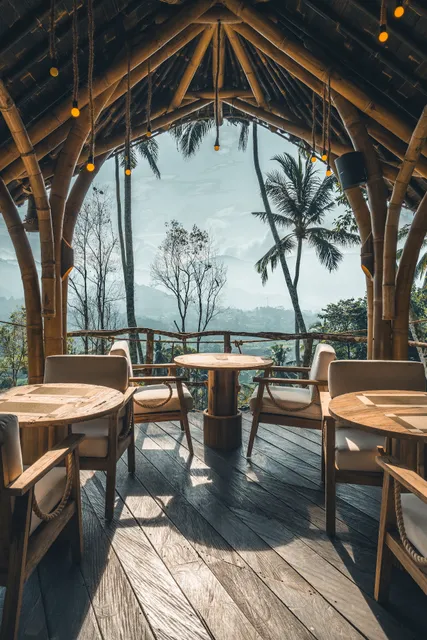
- Open Design: Most Koli Koli spaces are built to be open and welcoming. There are few walls, lots of natural light, and plenty of room for people to move around.
- Local Materials: Construction often uses bamboo, wood, and thatch. These materials are eco-friendly and reflect Balinese architecture.
- Central Location: You will usually find Koli Koli in the middle of the village. This makes it easy for everyone to attend events.
- Community Ownership: The space belongs to the community, not any individual. Maintenance and decoration are shared duties.
- Flexible Use: The same space can host a wedding, a funeral, a dance practice, or a council meeting.
These features make Koli Koli Bali more than just a building—it’s a living part of the community.
Role In Balinese Society
Koli Koli Bali is a cornerstone of Balinese social life. People use it for:
- Ceremonies: Religious and cultural events often start or finish here. Offerings, prayers, and dances are common.
- Education: Local children learn traditional arts, storytelling, and language.
- Conflict Resolution: When disputes arise, the community gathers here to talk and solve problems.
- Resource Sharing: Koli Koli Bali is a place to organize shared resources, like water or tools.
- Festivals: Many festivals use Koli Koli as their main venue.
This role is so important that many Balinese say, “Without Koli Koli, the village loses its soul. ”
Credit: www.tripadvisor.com
How Koli Koli Bali Supports Local Culture
Balinese culture is rich and layered. Koli Koli Bali helps keep it alive in several ways:
Preserving Traditions
Koli Koli Bali is where elders teach young people about rituals, dances, and songs. It’s a place for oral history and storytelling. Many villages use Koli Koli as a school for traditional arts.
Encouraging Participation
Unlike tourist attractions, Koli Koli Bali is for locals first. Everyone can join, no matter their age or status. This encourages active participation and keeps traditions from fading.
Connecting Generations
Younger and older generations meet here. It’s common to see teenagers learning from elders, or children watching performances. This connection is vital for cultural survival.
Hosting Unique Festivals
Some villages hold special festivals only in Koli Koli Bali. These events are not advertised to tourists and often include rare rituals, traditional games, and communal feasts.
Comparison: Koli Koli Bali Vs. Other Community Spaces
To understand Koli Koli Bali better, it’s helpful to compare it to other community spaces in Bali.
| Feature | Koli Koli Bali | Banjar Hall | Pura Temple Courtyard |
|---|---|---|---|
| Main Purpose | Social & cultural activities | Administrative meetings | Religious ceremonies |
| Access | Open to all villagers | Banjar members only | Restricted during rituals |
| Design | Open, natural materials | Enclosed, formal | Traditional temple style |
| Events Hosted | Festivals, arts, meetings | Official gatherings | Religious rites |
As you can see, Koli Koli Bali is different because it’s more flexible and inclusive. It’s not as formal as a Banjar hall, nor as strict as a temple courtyard.
The Architecture Of Koli Koli Bali
The architecture of Koli Koli Bali is inspired by Balinese values. Here are some details:
Materials
Most Koli Koli spaces use bamboo, coconut wood, and alang-alang grass for roofing. These materials are sustainable, easy to find, and blend with the environment.
Layout
The layout is usually open, with pillars and a raised platform. There are few walls, allowing air and light to flow. Some spaces have decorative carvings or paintings.
Decoration
Villagers often decorate Koli Koli with offerings, flowers, and handmade crafts. During festivals, you might see elaborate banners and lanterns.
Practicality
The design makes it easy to host large groups. It’s comfortable for both day and night events. Most spaces are built to last, with regular community maintenance.
Here’s a simple comparison of materials used:
| Material | Common Usage | Benefits |
|---|---|---|
| Bamboo | Pillars, beams | Strong, flexible, eco-friendly |
| Coconut wood | Flooring, supports | Durable, abundant |
| Alang-alang grass | Roofing | Natural insulation |
Koli Koli Bali And Sustainable Tourism
Recently, Koli Koli Bali has attracted attention from travelers looking for authentic experiences. But unlike crowded resorts, it offers something different.
Eco-friendly Approach
Koli Koli Bali supports sustainable tourism. The use of local materials and community ownership means there is less environmental impact. Visitors are encouraged to respect local customs and limit waste.
Cultural Exchange
Tourists who visit Koli Koli Bali can join workshops, watch performances, or help with community projects. This creates a real cultural exchange, not just sightseeing.
Supporting Local Economy
Money spent in Koli Koli Bali stays in the village. Locals earn from hosting events, selling crafts, or teaching classes. This helps preserve traditions and supports families.
Hidden Insight
Many travelers miss the fact that Koli Koli Bali is not just a place—it’s a process. You don’t just visit; you participate. This turns tourism from passive to active.
How To Visit Koli Koli Bali
- Advertisement -
If you want to experience Koli Koli Bali, here’s how:
- Research Villages: Not all villages have a Koli Koli. Popular areas include Ubud, Sidemen, and Tabanan. Look for villages with active community spaces.
- Connect with Locals: The best way to visit is by invitation. Ask your hotel, guesthouse, or local guide. Respect privacy—some events are for villagers only.
- Dress Modestly: Balinese culture values modesty. Wear long pants or skirts and cover your shoulders, especially during ceremonies.
- Participate Respectfully: If invited, join activities but follow instructions. Don’t interrupt rituals or take photos without permission.
- Support Community Efforts: Buy crafts, donate to projects, or join workshops. This helps the village and keeps traditions alive.
Practical Example
A traveler in Ubud heard about a Koli Koli dance practice. She asked her local guesthouse to connect her. After being invited, she joined the practice, learned basic steps, and bought a handmade sarong. She later shared her experience online, helping others find authentic community spaces.
Common Activities In Koli Koli Bali
Koli Koli Bali hosts many types of activities. Here are some of the most popular:
- Traditional Dance Practices: Groups rehearse dances like Legong, Barong, or Kecak.
- Music Workshops: Gamelan musicians teach and perform.
- Craft Classes: Learn how to make offerings, masks, or batik fabrics.
- Storytelling Sessions: Elders share folk tales and legends.
- Yoga and Meditation: Some villages offer spiritual classes for visitors.
- Community Feasts: Villagers cook and eat together, often during festivals.
Some activities are free, others require a small fee or donation.
Koli Koli Bali’s Impact On Modern Life
Balinese society is changing. Tourism, technology, and urbanization are transforming villages. But Koli Koli Bali is helping people stay connected.
Bridging Old And New
Younger generations use Koli Koli Bali for both traditional and modern activities. Some host digital art workshops or language classes. The space adapts to new needs.
Supporting Social Welfare
Villages use Koli Koli Bali to organize health checks, disaster relief, and educational campaigns. During COVID-19, some spaces became centers for food distribution and awareness.
Women’s Empowerment
Many villages use Koli Koli Bali to support women’s groups. They teach crafts, promote financial literacy, and organize health workshops.
Hidden Insight
A beginner might not realize that Koli Koli Bali often solves real-life problems. It’s not just cultural—it’s practical. This dual role makes it essential in modern Bali.
Challenges Facing Koli Koli Bali
Despite its importance, Koli Koli Bali faces challenges.
Urbanization
As villages grow, land becomes expensive. Some Koli Koli spaces are lost to development. Communities must fight to protect them.
Tourism Pressure
Tourist demand can change the meaning of Koli Koli Bali. Some spaces become commercialized, losing their authenticity.
Generational Change
Young people sometimes prefer modern venues. Elders work hard to keep traditions alive, but it’s not always easy.
Funding
Because Koli Koli Bali is community-owned, it relies on donations and voluntary work. Securing regular funding is a struggle.
Solutions And Future Outlook
Balinese communities are finding ways to protect Koli Koli Bali:
- Legal Protection: Some villages register Koli Koli spaces as heritage sites.
- Education: Schools teach students about Koli Koli’s importance.
- Sustainable Tourism: Villages limit visitor numbers and encourage respectful participation.
- Collaboration: Local groups partner with NGOs for funding and training.
Here’s a simple table showing current challenges and solutions:
| Challenge | Solution |
|---|---|
| Urbanization | Heritage registration, zoning laws |
| Tourism pressure | Visitor limits, community guides |
| Generational gap | Youth programs, modern workshops |
| Funding | NGO partnerships, craft sales |
Real Stories: Voices From Koli Koli Bali
To really understand Koli Koli Bali, listen to local stories.
Wayan, Village Elder
Wayan remembers when the Koli Koli was built using bamboo his father harvested. He says, “We solved every problem here. We shared stories, helped each other, and danced together. ”
Putri, Young Artist
Putri uses the Koli Koli to teach painting to local children. She says, “It’s a place where everyone belongs. I learned from my grandmother, now I teach others. ”
Kadek, Community Leader
Kadek organizes health workshops in the Koli Koli. He says, “We use it for old and new needs. Tradition and progress can live together. ”
These stories show the power and flexibility of Koli Koli Bali.

Credit: www.rexby.com
Frequently Asked Questions
What Is The Meaning Of Koli Koli Bali?
Koli Koli Bali refers to a communal space in Balinese villages. It is used for social, cultural, and sometimes ceremonial activities. The name comes from local dialects meaning “collective effort” or “shared resource. ”
Can Tourists Visit Koli Koli Bali?
Yes, but visitors should connect with locals first. Not all events are open to outsiders. Respecting customs and privacy is important. Some villages offer workshops or performances for visitors.
How Does Koli Koli Bali Support Sustainable Tourism?
Koli Koli Bali uses local materials, supports community ownership, and limits environmental impact. Tourism is based on participation and exchange, not just sightseeing. This helps keep local culture alive and benefits the village directly.
Is Koli Koli Bali The Same As A Banjar Hall?
No. While both are community spaces, Banjar halls are more formal and used for administrative meetings. Koli Koli Bali is flexible, open, and focused on cultural and social activities.
Where Can I Learn More About Balinese Communal Spaces?
For more information, visit Wikipedia’s Bali page. It offers background on Balinese culture, community, and architecture.
Koli Koli Bali is a unique window into real Balinese life. It shows how tradition, community, and innovation come together. Whether you are a traveler, a culture lover, or just curious, Koli Koli Bali offers lessons in cooperation and sustainability.
If you get the chance, step into a Koli Koli and join the heart of Bali.
- Advertisement -
